 Padua City Guide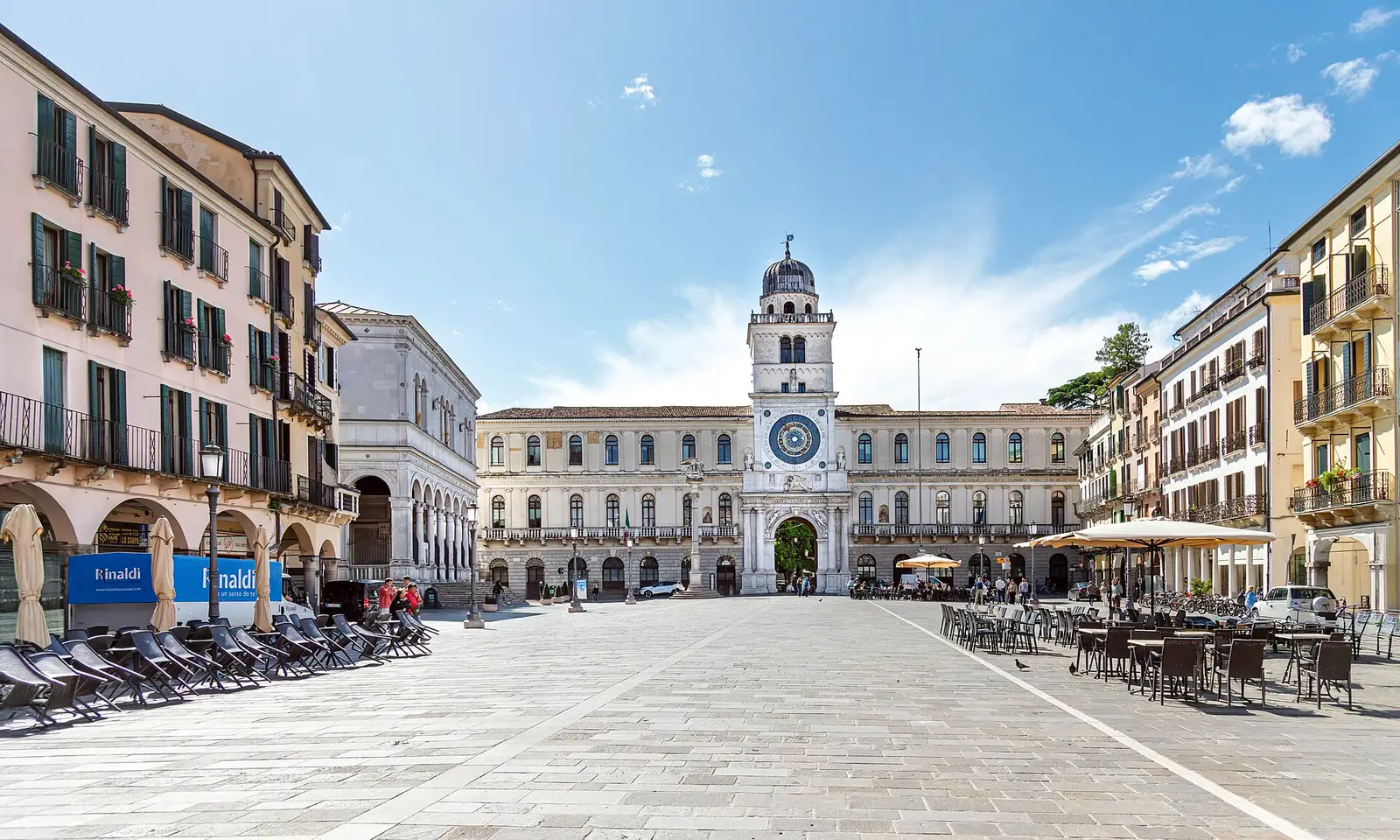
Understanding padua neighbourhoods takes less work than in most Italian cities, because the historic centre is a single walkable ring and the five quarters that matter within it differ by rhythm rather than by distance: the piazze core lives by the market and the aperitivo; the student belt around the university keeps its own hours; the grand southern sweep of Prato della Valle and the abbey quarter calms everything down; Portello and the river bend west into residential quiet; and Arcella across the tracks is the practical, cheaper city. This guide walks each quarter — what it holds, what it sounds like after ten, and which of the site's guides covers it. The whole directory sits on the Padua City Guide homepage.
Quick answer The five quarters, and which one to base in
Checked on 12 September 2026: the five quarters are the piazze core (market squares, loggias, the historic cafe), the student belt around Palazzo Bo, the southern sweep of Prato della Valle with the abbey of Santa Giustina, Portello and the river bend towards the Specola, and Arcella on the station side. For a first visit, base in the piazze core or its southern edge — the where to stay comparison puts the four base areas against these quarters.
Key takeaways
- The piazze core holds the market mornings and the busiest evenings — the city's default address.
- The student belt keeps student hours: cheap counters, late coffee, term-time energy around Palazzo Bo.
- Prato della Valle and Santa Giustina are the calm south — the ellipse, the abbey, the garden at the edge.
- Portello and the river bend is the quiet residential pick, ten minutes from the centre.
- Arcella trades charm for rates and sits five minutes from the platforms — the budget quarter.
The five quarters at a glance
The boundaries below follow the rough edges locals use rather than administrative lines, and the noise notes were checked on an evening walk on 12 September 2026 — aperitivo hour to midnight is the span that matters for choosing a room.
| Quarter | Rough boundaries | Feel | Anchors | Noise profile |
|---|---|---|---|---|
| Piazze core | The Erbe and Signori squares, the cafe quarter, up to the Eremitani | Busy, arcaded, market-led | Piazza delle Erbe, the historic cafe, the chapel at the north edge | Loudest 18:00-24:00 on the bar streets |
| Santa Croce and the student belt | The wedge from Palazzo Bo towards Porta Santa Croce | Young, cheap, term-time busy | University of Padua, the anatomy theatre, budget counters | Lively term nights, quiet in the breaks |
| Prato della Valle and Santa Giustina | The ellipse, the abbey block, the garden at the edge | Grand, green, calm | Prato della Valle, Santa Giustina, the botanical garden | Quietest of the central quarters after dark |
| Portello and the river | The Rivieras west of the core to Porta Portello | Residential, riverside, low-rise | The Specola tower, the river bends, the old port gate | Calm; evening walkers, little nightlife |
| Arcella and the station side | Across the tracks, around Padova Centrale | Practical, modern, cheaper | The station, the bus forecourt, budget beds | Traffic noise near the main roads, otherwise quiet |
The quarters, mapped to their guides
Each quarter links to the pages that cover its sights and its practical side. Ten guides, five groups — start with the quarter you will spend most time in.
The piazze core
-
Piazza delle Erbe
Square and market
The daily market, the Salone above it at €8 and the densest bacari strip after dark.
-
Piazza dei Signori
Square
The formal living room: loggias, Dante's statue and the clock tower climb, free by donation.
Santa Croce and the student belt
-
University of Padua
University quarter
Palazzo Bo's guided tour — the anatomy theatre, Galileo's lectern and the courtyard of coats of arms.
-
Caffè Pedrocchi
Historic cafe
The hinge between the belt and the core: free historic halls below, a €5 museum above.
Prato della Valle and Santa Giustina
-
Prato della Valle
Square
90,000 square metres, a canal island and 78 statues — the largest square in Italy and the city's sunset stage.
-
Santa Giustina
Abbey church
Free entry, monumental cloisters and St Luke's tomb, in morning and late-afternoon seasonal hours.
Portello and the river
-
Basilica of Saint Anthony
Basilica
The domed landmark at the river quarter's eastern edge — free entry, Donatello's bronzes inside.
-
Things to do
Sights directory
The full ranked list, including the riverside walks that thread the Portello quarter.
Arcella and the station side
-
Where to stay
Base guide
The four base areas with nightly bands and live searches — including the station-side budget pick.
-
Padua in 1 day
Itinerary
The walking route that starts from the station side and works south through every quarter.
The piazze core: market mornings and arcade evenings
Everything visitors picture first sits inside this quarter: the stalls of the herb square, the great painted hall of the Salone above them, the loggias of the signori's square next door, and the cafe without doors at the corner where Via VIII Febbraio begins. It is the smallest quarter and the busiest, and its rhythm is the market's: stalls from the morning to early afternoon, emptying squares, then the second life from aperitivo time, when the bacari counters fill.
For a base, the core is the default — but pick the street with care. Rooms on the bar streets pay for their address in noise after midnight; rooms two streets south or west, towards the river, keep the same convenience with the volume down. The chapel at the northern edge and the cathedral at the western edge give the quarter two quiet escapes of its own.
- Anchor sights: Piazza delle Erbe, Piazza dei Signori, the historic cafe.
- Best hours: market mornings for the stalls, 18:00-21:00 for the counters.
- Noise strategy: inner-courtyard rooms, or the block between the core and the river.
Santa Croce and the student belt: the university's city
From the courtyard of Palazzo Bo — the university's seat since the sixteenth century — the streets run south and west through the wedge that students have claimed for centuries: cheap counters, second-hand bookshops, and cafes that keep term-time hours. The quarter takes its name from the gate and church of Santa Croce at its southern end, and its texture changes with the academic calendar — bustling midweek in term time, noticeably emptied in the breaks.
Visitors come for the guided tour of the university rooms — the 1594-95 anatomy theatre and the lectern Galileo taught from — and stay for the prices: this is where the city's cheapest coffees and plates live. The evening offer is more pub than osteria, so most visitors eat in the core and drink here.
- Anchor sight: University of Padua — the weekday guided tour, €10, about 45 minutes.
- Rhythm: term-time busy, holiday quiet; mornings best for the tour.
- Eat here for value, walk to the core for dinner.
Prato della Valle and Santa Giustina: the calm south
The southern quarter is built around two enormous rooms: the 90,000-square-metre ellipse of Prato della Valle — the largest square in Italy, a canal island ringed by 78 statues — and the nave of the abbey of Santa Giustina, which swallows its visitors whole. Between them sits the botanical garden at the quarter's eastern edge, and the whole area keeps a green, unhurried air.
This is where the evening passeggiata happens rather than the bar crawl: families on the ellipse until late, the light going gold on the statues, then quiet. For bases it is the connoisseur's pick — rooms on the square's curve or in the streets behind the abbey sleep better than anything in the core — and for the sunset slot of every itinerary it is simply the finish line.
- Anchor sights: Prato della Valle, Santa Giustina, the botanical garden at the edge.
- Best hours: the last two hours of daylight, every day.
- Noise profile: the calmest of the central quarters.
Portello and the river: the quiet west
West of the core the Bacchiglione bends, and the city bends with it: the Rivieras run along the water towards the old gate of Porta Portello — once the landing point of the river trade — with the Specola tower, the old astronomical observatory, marking the corner. The streets behind are low-rise and residential, the evening traffic is joggers and dog-walkers, and the basilica quarter begins at the quarter's eastern edge.
For walkers, this is the quarter that repays attention: the riverside paths link the centre to the basilica in one direction and lead out towards the hills in the other, and the cyclists' lanes along the Rivieras are the flattest in the city. For bases, it is the quiet middle of the where-to-stay matrix — ten minutes from the piazze, riverside views from the better rooms.
- Anchor sights: the Specola tower, Porta Portello, the Riviera walks — parts of the free circuit.
- Connections: the riverside paths reach the basilica quarter in about ten minutes.
- Noise profile: calm; the quietest residential streets inside the ring.
Arcella and the station side: the practical north
Across the tracks from the historic ring, Arcella is the city people actually live in when budgets matter: apartment blocks, local trattorie, and the honest cheap beds that the where-to-stay guide prices below the city floor. Its logic is the railway: five minutes to the platforms, fifteen to the piazze on foot, and the urban buses from the station forecourt covering everything else.
Nothing here is a sight, and that is the point — this is the quarter you choose for an early train, a late arrival or a stay whose money belongs elsewhere. It is also the flattest route into the city for anyone arriving with luggage, and the starting point of the one-day itinerary, which walks from the station forecourt to the fresco slot in about fifteen minutes.
Distances from the station side
The practical numbers that decide whether the budget quarter works for your trip, checked on the ground on 12 September 2026.
| Destination | On foot from the station | Notes |
|---|---|---|
| The chapel (Eremitani museums) | About 15 minutes | The one-day route starts here at 08:30 |
| The piazze core | About 15 minutes | Flat, lit, arcades at the end |
| Prato della Valle | About 25 minutes | Or one short bus ride |
| The basilica quarter | About 25 minutes | Bus or the riverside walk |
| The platforms | Minutes | The quarter's whole reason to exist |
Frequently asked questions about Padua's quarters
Which quarter is quietest after ten at night?
Prato della Valle and Santa Giustina, with Portello and the river a close second — both keep residential calm once the passeggiata ends. The piazze core runs the loudest, on the bar streets, until midnight in the warm months.
Where do students eat and drink cheaply?
In the belt around the university — the wedge from Palazzo Bo towards Santa Croce — where counters and cafes keep student prices and term-time hours. The standing-counter ritual is explained in cichetti and bacari.
Is Arcella a sensible budget base?
Yes, if the trip's money belongs to trains or dinners rather than to wallpaper. Rates sit below the city floor, the platforms are minutes away, and the walk into the centre is about fifteen minutes — the trade-off is in the where to stay comparison.
How long does it take to walk between the quarters?
Between five and fifteen minutes for any pair of central quarters — the core to the ellipse is about ten, the core to the basilica quarter about fifteen. The distance table in the Arcella guide above carries the station-side numbers.
Which quarter sits closest to the Santo?
The basilica quarter at the eastern edge of the riverside belt — but Prato della Valle's southern quarter is barely five minutes further and adds the sunset square, which is why the itineraries pair the two in one afternoon loop.
Do any quarters feel unsafe after dark?
No quarter inside the ring gives real cause, and the calm southern and riverside quarters stay comfortable late. The ordinary big-city cautions are covered properly in the safety and scams guide.
Take the quarters one step further
Five guides that build on the quarter picture:
Where to stay
The four base areas, nightly bands and live availability searches.
Padua in 1 day
The walking route that strings all five quarters together in a day.
Things to do
The ranked sights directory, quarter by quarter.
Padua map
The coordinates of every sight on one map.
Cichetti and bacari
The evening counter ritual and the squares that do it best.
The piazze core at its best hour — loggias, Dante's statue and the clock tower, two minutes from the historic cafe and the market square.
Reviewed Q3 2026 (July–September 2026); next review Q4 2026. Prices, hours and terms are set by the venue or operator and confirmed at checkout.
We may earn a commission if you book through one of our links, at no extra cost to you. Full affiliate disclosure