 Padua City Guide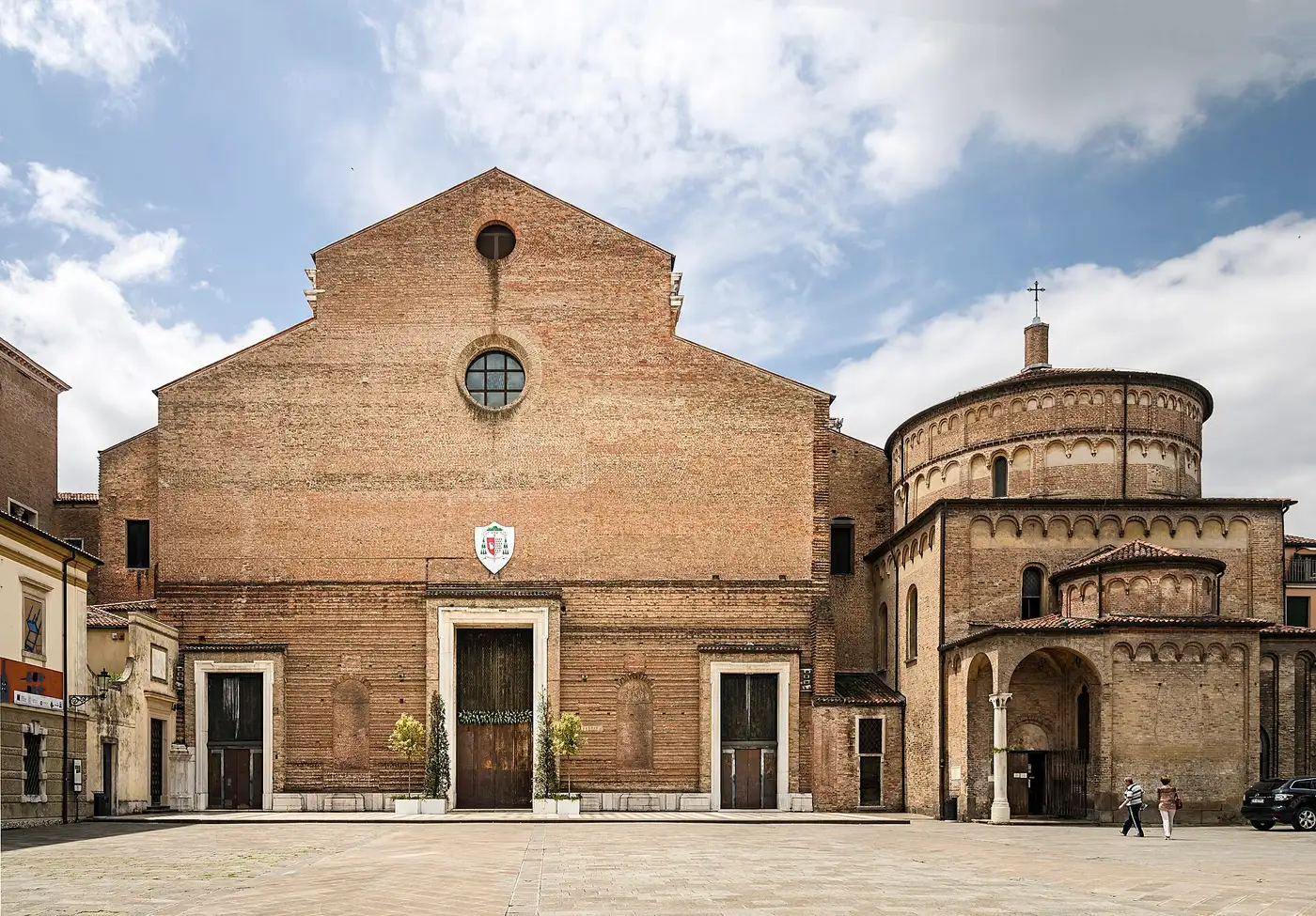
Getting around Padua is the easiest transport problem in the Veneto, and this guide keeps it that way: the historic centre is flat, compact and mostly pedestrian, Padova Centrale sits about fifteen minutes on foot from the piazze, and the urban bus network of BusItalia Veneto covers the rest for a single ticket of about €1.30-1.50 bought at tabacchi before you board. For almost every itinerary on this site — the one-day route, the two-day plan — walking is the only transport you will actually use; the buses, bikes and taxis below are the fallbacks, and the trains out of Padova Centrale are the reason the city works as a base. All fares and rules here were checked on 12 September 2026. The planning directory above this page starts at the Padua City Guide homepage.
Quick answer The one-paragraph transport plan, and the single ticket rule
Checked on 12 September 2026: walk. The station to the piazze is about fifteen minutes, the piazze to Prato della Valle about ten, and the whole central ring crosses in twenty-five — flat the entire way. When walking will not do, BusItalia Veneto urban buses take a single ticket of about €1.30-1.50 with 75-90 minutes' validity, bought at tabacchi or the autostazione before boarding (confirm the validity window at the counter). Trains out of Padova Centrale reach Venice in about 30 minutes for roughly €4-5 and Verona in 70-90 minutes. The full mode-by-mode matrix is the table below.
Key takeaways
- Walking wins inside the ring: 5-15 minutes between any pair of central quarters, flat throughout.
- Bus tickets are pre-board purchases: tabacchi shops and the autostazione, about €1.30-1.50, 75-90 minutes' validity.
- Bikes suit the riverside: lanes run along the Rivieras, and the terrain is pancake flat.
- Drivers park at the perimeter — the historic core is restricted, and the underground garage at Piazza dell'Insurrezione is among the closest.
- Rail is the day-trip engine: Venice about 30 minutes (€4-5), Vicenza about 30, Verona 70-90 minutes.
The five modes compared: cost, when each wins, the caveat
Costs below are the operators' published 2026 figures checked on 12 September 2026 — the bus fare is the urban single on BusItalia Veneto, the train figures are regional one-ways, and the taxi and garage numbers are typical observed ranges rather than fixed tariffs.
| Mode | Cost | When it wins | Caveat |
|---|---|---|---|
| On foot | Free | Everything inside the ring — sights, dinners, the evening passeggiata | Cobbles get slick in rain; the Salone climb is stairs |
| BusItalia bus | About €1.30-1.50, valid 75-90 minutes | Station-to-Prato runs, rainy afternoons, legs beyond the ring | Buy at tabacchi before boarding; on-board purchase costs a surcharge where it is allowed at all |
| Bicycle | Rental by the day from central shops | The Riviera riverside lanes and longer cross-city hops | Pedestrian lanes in the core require walking the bike |
| Taxi | Metered; short city hops a few euros up | Late nights, luggage, the autostazione-to-hotel run | The rank at the station; elsewhere use a radio cab or app |
| Car | Perimeter garages by the hour or day | Only for leaving the city — hill towns, spa towns, elsewhere in the Veneto | The historic core is restricted; the closest big garage is the underground one at Piazza dell'Insurrezione |
On foot: the flat core and its real distances
Padua's walking arithmetic is the kindest in the region, and it is worth having the numbers exact rather than impressionistic. From Padova Centrale to the piazze is about fifteen minutes along lit, arcaded streets. The piazze to Prato della Valle is about ten, the piazze to the basilica quarter about fifteen, and the full cross-section of the ring — chapel at the north edge to the ellipse at the south — is twenty-five to thirty minutes at an unhurried pace. Nothing between any two of these points climbs; the only stairs on the standard routes are into the Salone and the clock tower.
The practical consequences: every itinerary on this site — the one-day route, the two-day plan, the three-day version — is a single walking day or two halves of one, and no hotel inside the ring needs a bus plan. Underfoot, expect cobbles and portico flags: comfortable shoes, and a small umbrella rather than an attitude about the weather.
- Station forecourt to the piazze: about 15 minutes, flat and lit.
- Piazze to Prato della Valle: about 10 minutes.
- Piazze to the basilica quarter: about 15 minutes via the riverside or the straight streets.
- Chapel to the ellipse (the full north-south line): 25-30 minutes without stops.
City buses: BusItalia Veneto and the tabacchi rule
The urban network is run by BusItalia Veneto, and its single most important rule for visitors is that tickets are bought before boarding — at tabacchi shops (the green-and-white T sign), at the autostazione counters and machines, and at other authorised resellers. The urban single costs about €1.30-1.50 and stays valid for 75-90 minutes from validation; the exact window and current price should be confirmed at the counter where you buy, because tariffs adjust and the shops post the notice. Buying on board, where the line allows it at all, costs a surcharge — the machine behind the driver prints a more expensive ticket.
Validate in the on-board machine the moment you board. Several urban lines leave the station forecourt towards the centre and continue towards Prato della Valle and the southern quarters, which is the visitor's most common use: the legs that feel too long on foot with luggage or in rain. Buses are low-floor and take pushchairs and wheelchairs through the middle doors. The airport coach from Marco Polo arrives at the autostazione beside the station, so the arrival logistics and the urban network share one square.
- Buy before boarding: tabacchi, autostazione or authorised resellers.
- Confirm the €1.30-1.50 fare and the 75-90 minute validity at the counter.
- Validate immediately on boarding — inspectors do check.
- On-board purchase carries a surcharge where it is permitted at all.
Cycling: flat lanes along the Rivieras
Padua is a cycling city by geography if nothing else — pancake flat, short distances, and a riverside corridor that makes the nicest rides feel like the sensible ones. Dedicated lanes run along the Rivieras on both banks, the river paths link the centre to the basilica quarter and out towards the Portello gate, and the residential streets of the southern quarters carry bicycles comfortably.
Visitors do not need to bring a bicycle: central rental shops rent by the day at modest rates, and hotels increasingly keep a few for guests. Two rules keep the experience pleasant: within the pedestrian lanes of the core, dismount and walk the bike through the busiest stretches, and lock properly — a student city has a professional class of bicycle thieves. For the longer canvas, the riverside and canal paths running out towards the hills are the start of the Euganean Hills circuit for riders with a day to spend.
Taxis, cars and the perimeter-parking logic
Taxis in Padua are a last-mile service, not a transport system: the rank sits at the station forecourt, hotels call radio cabs, and apps cover the centre. Short city hops cost a few euros up; the runs that justify a taxi are the late-night return from dinner, the luggage-heavy arrival, and the autostazione-to-hotel stretch with tired children.
Cars are a different story. The historic core sits inside a restricted zone with camera enforcement, and the honest plan for drivers is to park at the perimeter and walk in. The underground garage at Piazza dell'Insurrezione is among the closest to the core and the one most visitors end up using; further garages line the ring roads — check current tariffs at the barrier, as prices adjust. Ask your hotel about temporary access or unload permits before assuming the GPS route is legal: much of the centre is simply closed to non-resident traffic during enforcement hours.
Driving on to Venice instead
The most common driving question is not about Padua at all but about the lagoon: visitors with a car who plan a Venice day ask where it goes. The answer: not into Venice. Drive to the Tronchetto car park at the lagoon's edge — expect roughly €25-30 a day — or leave the car at a garage in Mestre, which costs noticeably less, and take the short train connection in.
Better still for rail-based visitors: skip driving entirely, since Padova Centrale puts the lagoon 30 minutes away at €4-5 each way.
- Tronchetto island car park: the closest vehicle access to Venice — budget roughly €25-30 a day.
- Mestre garages: cheaper, with the short onward connection to Santa Lucia.
- No-car option: the regional train from Padova Centrale, about 30 minutes, roughly €4-5 each way.
Trains out of Padova Centrale: Venice, Vicenza, Verona and beyond
Padova Centrale is the reason to base in this city: four directions of high-quality rail, none of them needing a car or a coach. Regional trains reach Venice Santa Lucia in about 30 minutes at roughly €4-5 each way with no seat reservation needed; Vicenza sits about 30 minutes up the line in the other direction; Verona takes 70-90 minutes on the regional services at around €8 each way, with faster high-speed options at dynamic prices; and Bologna lies beyond that on the high-speed corridor, with journey times around an hour or so and advance fares that reward early booking. Buy regionals at the machines on the day; buy high-speed ahead through Trenitalia or Italo when the fare matters.
The station itself is practical: the forecourt faces the city side, the autostazione bus station beside it covers the airport coach and the suburban lines, and the walk into the centre starts straight down the main axis. For the day-trip plans themselves — timing, sights and the return-train discipline — start from the day trips hub.
The rail canvas at a glance
Regional figures from the operators' published 2026 fares checked on 12 September 2026; high-speed prices are dynamic and shown for orientation only.
| Destination | Typical time | Typical one-way fare | Service type |
|---|---|---|---|
| Venice Santa Lucia | About 30 minutes | About €4-5 | Regional, no reservation |
| Vicenza | About 30 minutes | A few euros | Regional, no reservation |
| Verona | 70-90 minutes | Around €8 | Regional; high-speed alternatives |
| Bologna | Around an hour or so | Dynamic — book ahead | High-speed (Frecciarossa/Italo) |
| Terme Euganee (the hills) | About 20 minutes | A few euros | Regional, for the Euganean Hills fork |
Frequently asked questions about transport in Padua
Do I need a ticket before boarding the city bus?
Yes. BusItalia Veneto tickets are bought before boarding — at tabacchi shops marked with the green-and-white T, at the autostazione, or at other authorised resellers — and validated on board. Buying from the driver, where the line permits it at all, carries a surcharge.
How long does a single ticket stay valid?
About 75-90 minutes from validation on the urban network, which comfortably covers a change of bus. The exact window moves with the tariff schedule, so confirm it where you buy — the buses guide above explains the purchase points.
Is the walk from the railway station manageable with luggage?
Yes — about fifteen minutes, flat and lit, along the main axis into the centre. For heavy cases or small children, a taxi from the station rank or a single bus stop does the same job for a few euros.
Where should I park if the hotel is inside the old walls?
At the perimeter, not at the door. The historic core is a restricted zone with camera enforcement; the underground garage at Piazza dell'Insurrezione is among the closest to the centre, and hotels can advise on temporary unload permits. Confirm current garage tariffs at the barrier.
Can I cycle without bringing my own bicycle?
Yes — central rental shops rent by the day at modest rates, and the terrain is entirely flat. The riverside lanes along the Rivieras are the natural first ride; within the pedestrian core, walk the bike through the busiest stretches.
How often do trains leave for the lagoon?
Frequently through the day — regionals to Venice Santa Lucia run about every half hour at busy times, take about 30 minutes and cost roughly €4-5 each way with no reservation. The day plan that fits them is on the Venice day trip page.
Are taxis available from the station late at night?
Yes — the rank at the station forecourt serves the evening arrivals, and hotels can call radio cabs on request. For pre-dawn departures, ask the hotel to book the night before rather than relying on the rank.
What is the cheapest way in from the airport coach stop?
On foot, if your hotel is central: the coach from Marco Polo arrives at the autostazione beside the station, and the fifteen-minute walk covers most central addresses. The fare, timing and alternatives for the coach itself — around €13 and about 45 minutes — are on the airport transfer page.
Where the transport pages lead
The guides that pair with the mode choices above:
Venice Airport to Padua
The €13 coach from Marco Polo and the rail alternatives, compared.
Venice day trip
The 30-minute train run and a one-day lagoon plan.
Verona day trip
The 70-90 minute rail option up the line.
Padua map
Every sight's coordinates on one map, for the walking plan.
Plan hub
The full planning directory, itineraries included.
The cathedral square, ten minutes on foot from the piazze — the kind of distance that makes the walking-first transport plan work.
Reviewed Q3 2026 (July–September 2026); next review Q4 2026. Prices, hours and terms are set by the venue or operator and confirmed at checkout.
We may earn a commission if you book through one of our links, at no extra cost to you. Full affiliate disclosure