 Padua City Guide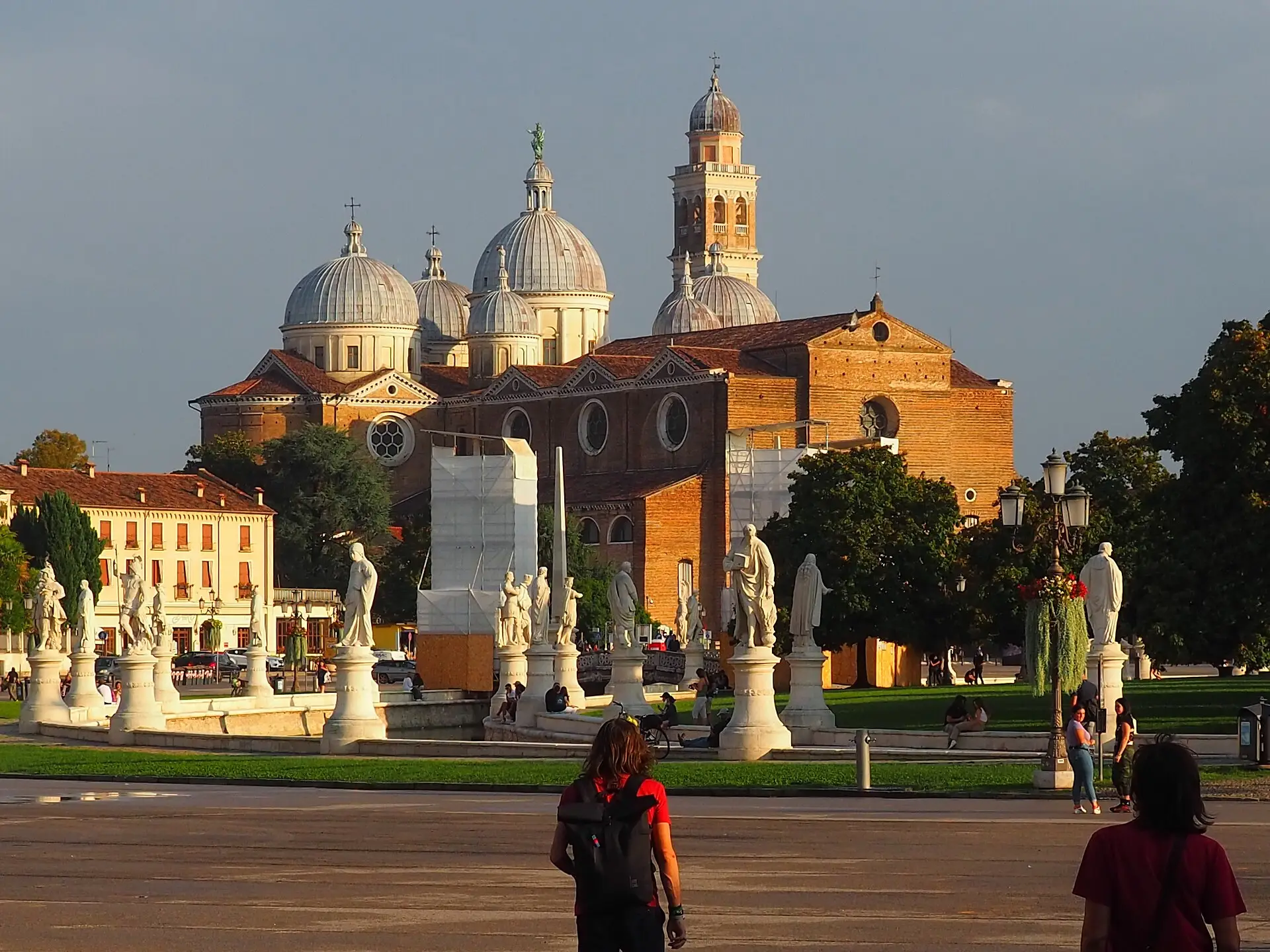
Choosing the best time to visit padua is less about avoiding bad weather than about matching the city's rhythm — market mornings, term-time streets, festival dates and museum Mondays — to the trip you want. Padua sits on the Po plain, which means hot, humid Julys with average highs around 30°C, damp January days near 7-8°C, and a fondness for autumn fog (the nebbia) that gives the porticoes their film-set mornings. Between those poles, April-June and September-October are the classic windows; August trades crowds for heat and closed kitchens; winter is cold but quiet and cheapest. This page lays the seasons side by side, marks the fixed dates that change the city — the 13 June festival above all — and notes the booking realities, like how the chapel's slots thin out in high season. Every seasonal claim below was checked on 12 September 2026. The wider planning directory sits on the Padua City Guide homepage.
Quick answer The two classic windows, the hot month, and the cheap quiet season
Checked on 12 September 2026: April-June and September-October are the strongest windows — mild weather, full market mornings and long evenings — with the caveat that the chapel's timed slots sell out weeks ahead and June weekends price at the top of the hotel bands. July-August is hot and humid (average July highs around 30°C) but quieter, with some family-run kitchens closed for the August ferie. November-March is cold, foggy and cheapest, with the Carnevale fritelle season brightening January-February — and remember that civic museums close on ordinary Mondays while the chapel and the basilica do not. The season matrix below carries the detail; the ticket prices it references are on Padua costs.
Key takeaways
- Best all-round: April-June and September-October — mild, busy, and the months when slots go first.
- 13 June is the city's great date: the Feast of Saint Anthony fills the basilica quarter.
- July averages highs around 30°C with humidity; plan fountain breaks and late evenings.
- Autumn fog is real and photogenic; November fog can sit for days.
- Winter is cheapest — and the civic museums close on ordinary Mondays.
The season matrix: weather, crowds, prices and events
The weather lines summarise the Po-plain climate patterns — average July highs near 30°C, January highs of 7-8°C, autumn fog — while the crowd and price notes come from the operators' calendars and the hotel bands checked on 12 September 2026.
| Season | Weather | Crowds | Prices | Events and fixed dates |
|---|---|---|---|---|
| April-June | Warming from mild to warm; long evenings | High and rising; the chapel's slots sell out weeks ahead | Rising to the high-season ceiling, June weekends first | 13 June: the Feast of Saint Anthony; spring bruscandoli on menus |
| July-August | Hot and humid; July averages highs around 30°C | Thinner than spring — a curious, useful fact | High on rooms, softer on midweek demand | The August ferie: some family-run kitchens close; fountain weather |
| September-October | Warm turning mild; the nebbia begins | High again — the second peak | High, easing late October | Harvest in the hills; fog mornings over the piazze |
| November-March | Cold and damp; January highs 7-8°C; fog | Lowest of the year | At or near the floor; the garden at its winter tariff | Carnevale fritelle season (January-February); Christmas markets |
Spring: bruscandoli, term time and the June peak
Spring is Padua working at full rhythm. April and May bring mild days made for the porticoes, market mornings that stretch, and a short seasonal delicacy worth knowing: bruscandoli, the wild hop shoots that appear on spring menus across the Veneto for a few weeks and then vanish. The university's term fills the streets with the city's second population, which keeps prices honest and the evening counters busy.
June is the hinge. The city's great date falls on the 13th: the Feast of Saint Anthony, part religious feast, part civic festival, drawing processions around the basilica quarter and celebration across the centre — an extraordinary day to be here and a hard night to find a room for. June weekends also sit at the top of the hotel bands, and the chapel's timed slots thin out weeks ahead; the booking windows are on Scrovegni Chapel tickets. Book both early and the month is the best of the year.
The fixed dates that shape the year
A handful of dates move the whole city; they are the ones to plan around before anything else is booked.
| Date or window | What happens | Planning consequence |
|---|---|---|
| 13 June | Feast of Saint Anthony — processions and a civic festival | Book rooms weeks ahead; the basilica quarter is packed |
| January-February | Carnevale: fritelle season in every bakery and bar | A reason to visit in the quiet months |
| 1 January, 1 May, 25-26 December | The chapel closes for the holidays | Keep these days off any itinerary |
| Ordinary Mondays | Civic museums close; chapel and basilica open | Give Monday the river-and-basilica loop |
| Mid-August | Ferie: some family-run kitchens take their annual break | Check restaurant opening before booking dinner |
Summer: heat, humidity and the August ferie
Summer on the Po plain is a physical fact to plan around rather than avoid: July averages highs around 30°C with humidity that makes the afternoons heavy, and the city responds by moving its life to the edges of the day — mornings on the squares, evenings late. The practical kit is simple: the public fountains in the centre dispense drinkable water, so carry a bottle; plan the interiors for the midday hours; and give the evenings to Prato della Valle, where the light and the breeze arrive together. Mosquitoes are part of the season too — a repellent in the bag is worth more than any complaint.
August adds a wrinkle: the ferie. Some family-run trattorie close for their annual break in the middle of the month, so the dinner shortlist needs checking rather than assuming. The trade the month buys is real: thinner crowds than spring, easier chapel bookings, and rooms that discount midweek.
- Mornings and evenings outdoors; interiors and the garden's shade for midday.
- Public fountains across the centre — the tap water is drinkable.
- A repellent for July-August evenings; the mosquitoes are honest locals.
- Mid-August: confirm the ferie closures before booking tables.
Autumn: the second window and the fog
September and October are the connoisseur's months: warm early in September, mild through October, harvest under way in the Euganean hills to the south-west, and the semester's student energy back in the streets. The crowds return — this is the second peak, and the same early-booking discipline as June applies.
The season's signature is the nebbia, the plain's fog. It is not a flaw; it is an aesthetic — the porticoes and towers in fog are half the photographs ever taken of this city — but it also shortens sightseeing days in November and can sit for days at a time. Plan flexibly: the covered market, the Salone and the museum circuit are fog-proof; the hills are not. The day trips that depend on views — the hills above all — reward the clearer forecasts, and a foggy morning redirected to the covered centre is never a wasted one.
Winter: fritelle, quiet and the museum Mondays
Winter is when Padua belongs to itself. January runs cold and damp — average highs of 7-8°C — and the light is low, but the city's indoor life is strong and the prices sit at the floor of the year. January and February bring the Carnevale contribution: fritelle, the fried carnival pastries, appear in bakeries and bars across the city for the season, and they alone justify a winter morning.
The one calendar fact that winter trips must plan around is the ordinary-Monday closure of the civic museums — the Salone, the Pedrocchi museum, the botanical garden — while the chapel and the basilica keep going. A Monday-centred winter visit needs the reshuffle the one-day itinerary documents. The chapel's slots, by contrast, are easier to book in winter than at any other time of year — the one season when walking in with days' notice is realistic.
The ordinary-Monday ledger
The closures that govern winter (and any ordinary Monday), against the sites that simply keep going.
| Site | Ordinary Monday | Rest of the week |
|---|---|---|
| Giotto's chapel | Open, slots as usual | Daily apart from 1 Jan, 1 May, 25-26 Dec |
| Palazzo della Ragione (Salone) | Closed | Tue-Sun |
| Pedrocchi museum | Closed | Tue-Sun; the cafe itself never closes |
| Botanical garden | Closed | The €12 winter tariff applies November-February |
| Baptistery and Diocesan Museum | Opens 14:00 only | Afternoon suits it in any season |
| Basilica of Saint Anthony | Open | Daily; the museum keeps its own calendar |
Frequently asked questions about timing a visit
What is the hottest month, and how do people cope?
July, with average highs around 30°C and heavy humidity. The city copes by schedule, not machinery: mornings outdoors, interiors at midday, evenings late, and the public fountains — the tap water is drinkable — keeping the bottle full.
Does it really fog in autumn?
Yes — the nebbia is the Po plain's autumn signature, most common from October into the low-sun weeks of winter. Some mornings it burns off by ten; some days it sits. The covered market, the Salone and the museums are fog-proof plans; hill views are not.
What happens in the city on 13 June?
The Feast of Saint Anthony: a civic festival wrapped around a religious feast, with processions around the basilica quarter and celebration through the centre. It is one of the year's great days to be in the city — and one of the hardest nights on room availability, so book weeks ahead.
When do the chapel's slots sell out?
Weeks ahead in April-June and September-October, less urgently in the winter months. The booking mechanics and windows are on Scrovegni Chapel tickets, and the timing strategy in the two-day itinerary.
Are restaurants closed in August?
Some are: the ferie tradition sends family-run kitchens on their annual break around mid-August. Check openings before booking dinner in August; the piazze-core rooms that cater to visitors mostly stay open.
What is fritelle season?
January and February, when Carnevale puts the fried pastries in every bakery window. It is the sweetest reason to visit in the quiet, cheapest months — and it pairs well with empty porticoes and floor-price hotel bands.
Which day of the week should I avoid for museums?
Monday, when the civic circuit — the Salone, the Pedrocchi museum, the garden — closes on ordinary Mondays, and the Baptistery opens only from 14:00. The chapel and the basilica run daily; the winter guide above carries the full ledger.
The planning pages that pair with the seasons
Four guides carry the seasonal detail forward, plus the planning directory:
Scrovegni Chapel tickets
Slot mechanics and the booking windows that shrink in high season.
Padua in 2 days
The recommended visit, sequenced to the season's daylight and closures.
Where to stay
How the nightly bands move through the year, area by area.
Getting around
Walking and bus basics that barely change with the calendar.
Plan hub
Every itinerary and logistics guide in one directory.
The evening window that decides the season: warm light, full porticoes and the passeggiata — the city's outdoor life at its best.
Reviewed Q3 2026 (July–September 2026); next review Q4 2026. Prices, hours and terms are set by the venue or operator and confirmed at checkout.
We may earn a commission if you book through one of our links, at no extra cost to you. Full affiliate disclosure